
Finding reliable fabric suppliers can feel like guessing at the start of every new collection. For fashion brands in Los Angeles, fabric sourcing choices shape cost, quality, and production speed. With fabric accounting for about 70 percent of garment costs, every decision makes a direct impact. This guide delivers clear insights into sourcing models and quality checks that allow you to scale confidently without sacrificing product standards.
Table of Contents
Key Takeaways
| Point | Details |
| Importance of Fabric Sourcing | Fabric sourcing directly impacts garment costs and quality, influencing margins and customer satisfaction. |
| Thorough Documentation is Essential | Clear documentation of fabric requirements and orders helps avoid miscommunication and production delays. |
| Testing is Crucial | Conducting fabric tests before bulk orders can prevent costly issues such as shrinkage and color fading. |
| Establish Supplier Relationships | Building strong relationships with multiple suppliers ensures reliability and mitigates risks in production. |
What Is Fabric Sourcing in Apparel Production
Fabric sourcing is straightforward: you find the right fabric suppliers and lock in the material your brand needs to make clothes. That’s it. No complexity beyond that.
Here’s what makes it matter. Fabric costs account for roughly 70% of your garment’s final cost, which means your sourcing decisions directly hit your margins. Pick the wrong supplier or the wrong fabric weight, and you’re either losing money or disappointing customers with a product that doesn’t feel right.
Why Fabric Sourcing Isn’t an Afterthought
Too many brands treat fabric sourcing like a box to check. They pick something that looks good in a mood board and move forward. Then production starts and problems surface: the dye isn’t right, the fabric shrinks differently than expected, or delivery takes three months instead of six weeks.
Fabric sourcing is a decision that touches everything:
-
Design decisions - what you designed only works if the fabric exists at the price point you need
-
Production timeline - some fabrics need to be ordered months in advance; others are stock items
-
Quality control - how the fabric behaves in washing and wear determines customer satisfaction
-
Cost structure - fabric is your largest material expense, so sourcing strategy directly affects profitability
-
Sample development - you need actual fabric to build accurate samples and test fit
Ignore any one of these, and you’re working blind.
Your sourcing decision determines whether your garment feels premium, lasts through regular wear, and fits your budget.
What Actually Happens During Fabric Sourcing
Fabric sourcing involves three core steps: defining what you need, finding suppliers who can deliver it, and negotiating terms that work for your production volume and timeline.
First, you document your fabric requirements. Not vaguely—specifically. Weight in grams per square meter (GSM), fiber content, color, finish, stretch properties if applicable, and shrinkage expectations.
Second, you identify suppliers who stock or can produce that fabric. This means mill connections, distributor networks, or direct contact with textile producers. Location matters here. Asian mills have different lead times, price points, and minimum orders than European suppliers.
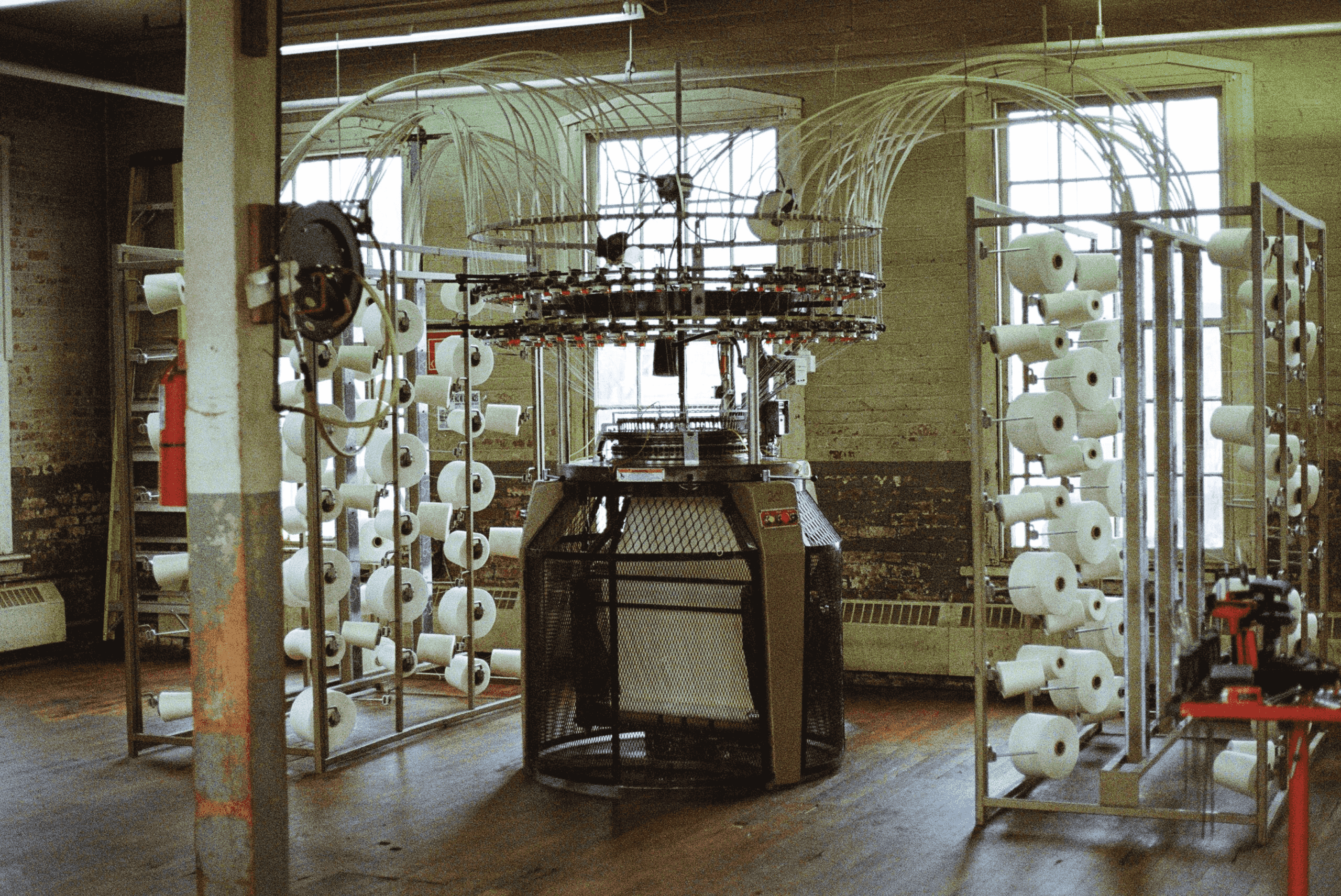
Third, you request samples, test them, confirm pricing, and lock in delivery dates. All before you commit to bulk yardage.
The difference between chaos and control? Documentation. You need everything in writing before your first purchase order goes out.
The Real Constraint: Time and Minimum Orders
Fabric sourcing isn’t just about finding something pretty. It’s about matching three things: what you want, what suppliers have available, and what your timeline allows.
Most fabric suppliers require minimum orders. You might need 500 to 1,000 yards minimum for a custom color, or 2,000 yards for a specialty weave. This affects whether you can produce the collection you designed.
Lead times also vary dramatically. Stock fabrics ship in weeks. Custom dyes or weaves can take 8 to 12 weeks from order to arrival. Order too late, and your production schedule collapses.
-
Stock fabrics - immediate availability, no customization, limited color options
-
Dyed-to-order fabrics - 4 to 8 weeks, full color control, higher minimums
-
Custom weaves - 8 to 12 weeks, premium feel, significant investment required
You need to know these constraints before you design. Otherwise you’re making promises you can’t keep.
Connecting Sourcing to Your Production Partner
When you work with full-package clothing production services, fabric sourcing isn’t something you handle alone. Your production partner has existing supplier relationships, understands lead times, and can navigate minimum orders on your behalf.
This removes guesswork. Your partner sources samples based on your specifications, tests them, gets pricing, and presents options. You approve; production begins.
That structure is the difference between launching on time and launching late with a compromised product.
Pro tip: Request fabric samples at least 12 weeks before your bulk production deadline. This gives you time to test durability, confirm shrinkage, and make fit corrections without rushing.
Types of Sourcing Models and Supplier Options
Not all fabric sourcing works the same way. The model you choose depends on your volume, timeline, budget, and how much control you want over the process.
Understanding your options prevents costly mistakes. Pick a sourcing model that doesn’t fit your reality, and you’ll either overpay, miss deadlines, or lose quality control.
Direct Mill Sourcing
Direct sourcing means buying fabric straight from the manufacturer. You work with mills in Asia, Europe, or domestically, depending on your needs and budget.
This is the most common approach in apparel. Firms sourcing directly from manufacturers in Asia represent the largest portion of brands using structured sourcing strategies.
Direct sourcing gives you control but requires:
-
Minimum order quantities, often high (1,000 to 5,000 yards or more)
-
Direct communication with mills (language barriers, time zone delays possible)
-
Longer lead times (8 to 16 weeks for custom orders)
-
Upfront payment or substantial deposits
Best for brands with larger production volumes or multiple SKUs using the same fabric.
Distributor and Agent Sourcing
Distributors and sourcing agents sit between you and mills. They hold inventory, manage minimums, and handle logistics.
You get smaller minimum orders (200 to 500 yards), faster turnaround, and someone to negotiate on your behalf. The trade-off: markup on fabric cost (usually 10 to 20% higher than direct mill pricing).
Agents are especially useful if you’re sourcing from overseas mills for the first time. They speak the language, understand shipping, and vet supplier reliability.
Best for brands making smaller collections or testing new fabrics without committing to bulk quantities.
Local and Domestic Sourcing
Some brands source fabric domestically to reduce lead times and complexity. This works if cost isn’t your primary constraint.
Domestic fabric costs more than overseas sourcing. But you get:
Here’s a concise comparison of common fabric sourcing models and their business implications:
| Sourcing Model | Minimum Order | Lead Time | Pricing Impact | Typical Use Case |
| Direct Mill | 1,000–5,000 yards | 8–16 weeks | Lowest per yard | Large volume production |
| Distributor/Agent | 200–500 yards | 2–6 weeks | Higher, includes markup | Small runs, new fabrics |
| Domestic | Negotiable | 2–4 weeks | Highest per yard | Fast delivery, local brands |
| Nearshoring | 400–1,800 yards | 3–8 weeks | Competitive pricing | Flexible, regional response |
-
Faster delivery (2 to 4 weeks typical)
-
Easier communication and relationship building
-
Smaller minimums negotiable
-
Support for made-in-America positioning
Nearshoring and Flexible Models
Brands are increasingly adopting flexible, fast, and sustainable sourcing strategies to respond faster to market changes and reduce supply chain risk.
Nearshoring moves production and sourcing closer to home markets. Mexico, Central America, and Eastern Europe offer middle-ground options: lower costs than domestic, faster than Asian sourcing, more reliable than traditional offshore.
The sourcing model you choose determines your timeline, cost structure, and ability to respond to design changes.
What Your Production Partner Brings
A structured production partner removes the burden of choosing between these models. Your partner has relationships with mills, distributors, and agents across multiple regions and price points.
They present options that match your timeline and volume, handle negotiations, and manage quality. You approve samples and pricing; they execute sourcing and logistics.
This is why working with an experienced partner saves time and money.
Pro tip: Define your minimum order quantity and lead time requirements before contacting suppliers. This filters out options that don’t fit your production schedule and prevents wasted conversations.
Key Factors in Evaluating Fabric Choices
Choosing the right fabric isn’t about finding what looks best. It’s about understanding performance requirements and matching them to fabric characteristics.
This is where most brands stumble. They fall in love with how a fabric looks on a swatch, then find out it doesn’t wash well, stretches unexpectedly, or costs more than expected at scale.
Fabric Type and Fiber Content
Start with fiber composition. Natural fibers (cotton, linen, wool), synthetics (polyester, nylon), and blends each behave differently in production and wear.
Understanding fabric types and characteristics shapes how garments perform, how they care for customers, and what production methods work best.
Cotton feels natural and breathes well but wrinkles and shrinks. Polyester resists wrinkles and shrinkage but doesn’t breathe. Blends split the difference.
Your choice affects:
-
Care instructions (hand wash versus machine wash)
-
Price point (cotton costs more than polyester)
-
Production equipment needed (some fabrics require specific machinery)
-
Customer perception (premium or budget positioning)
Weight and Density
Fabric weight measured in grams per square meter (GSM) determines drape, durability, and feel.
A lightweight fabric (100 to 150 GSM) feels delicate and drapes well but may not last through heavy wear. A medium-weight fabric (150 to 250 GSM) works for most apparel. A heavyweight fabric (over 250 GSM) feels substantial but may be too stiff for certain designs.
Choose weight based on garment category. A t-shirt needs different weight than a jacket or pants.
Colorfastness and Dye Quality
Colorfastness determines whether your garment fades after one wash or lasts through dozens.
Industry standard tests measure color retention through washing, perspiration, and sunlight exposure. Most quality fabric suppliers provide dye test results. Request them before committing to bulk orders.
Fading is a customer experience killer. One pale garment returned damages your reputation faster than anything else.
Here’s a quick reference for key fabric qualities and their effects in apparel production:
| Fabric Quality | Business Impact | Customer Experience |
| Shrinkage Control | Reduces costly sizing errors | Consistent fit after washing |
| Colorfastness | Minimizes returned products | Maintains appearance longer |
| Specialty Features | Supports premium positioning | Performance benefits |
| Fiber Certifications | Builds brand credibility | Ensures material safety |
The fabric you choose now determines whether customers love their purchase or regret it six months later.
Specialty Properties
Some garments need specialized fabric performance. Activewear needs moisture-wicking. Outerwear needs waterproofing. Stretch fabrics need stable elastane blends.
Specialty fabrics cost more but deliver specific customer benefits. Don’t pay for properties you don’t need, and don’t skip them when your design requires them.
Testing Before Bulk Production
Request sample swatches and test them. Wash samples, check shrinkage, assess color retention, and evaluate feel and drape.
Shrinkage testing matters most. Some fabrics shrink 3 to 5 percent; others shrink 10 percent. This affects sizing and yield. Test before finalizing patterns.
Don’t skip this step. Testing costs under $200. A bulk order of wrongly-sized garments costs thousands.
Pro tip: Request at least three fabric samples from different suppliers before choosing. Test them identically, compare results side by side, and document shrinkage and color retention in writing.
Common Pitfalls and Costly Mistakes to Avoid
Fabric sourcing mistakes don’t just waste money. They delay production, damage reputation, and sometimes force recalls. Most mistakes are preventable with proper planning.
I’ve seen brands lose thousands because they skipped basic steps. Here’s what actually costs you.
Chasing Cheap Price Over Quality
The cheapest fabric supplier isn’t the best deal. Buying low-cost fabric to save 10 percent often leads to quality problems that cost you 100 percent.
Low price signals low quality. Fabric that wrinkles easily, fades quickly, or shrinks unpredictably destroys customer trust. One bad experience, and customers don’t return.
Price matters, but it matters less than supplier reliability and fabric performance.
Skipping Fabric Testing
Failing to conduct proper fabric testing leads to shrinkage surprises, color bleeding, and durability failures after production is already paid for.
Testing before bulk production costs under $500. Not testing and discovering problems mid-production costs thousands. The math is simple.
Basic tests you need:
-
Shrinkage testing (wash and measure)
-
Colorfastness testing (color retention after washing)
-
Tensile strength testing (durability under strain)
-
Care label verification (fiber content accuracy)
Not Verifying Supplier Credentials
Work only with suppliers who can prove certifications and quality standards. Ask for supplier credentials before ordering.
Legitimate suppliers provide documentation. They hold certifications like OEKO-TEX, GOTS, or ISO standards. They test their fabrics and maintain quality records.
Suppliers who refuse to provide documentation or certifications are red flags. Walk away.
Ignoring Lead Times and Minimums
Assuming a supplier can deliver fast or accommodate small orders leads to missed deadlines and cost overruns.
Every supplier has minimums and lead times. Get these in writing upfront. Factor lead times into your production schedule with buffer time for delays.
Many brands order too late, then panic when the supplier can’t expedite without charging premium fees. Plan 12 to 16 weeks ahead for custom fabrics.
No Backup Supplier Plan
Relying on one fabric source creates risk. Supply disruptions happen. Suppliers close. Minimums increase.
One broken supplier relationship with no backup option derails your entire production schedule.
Maintain relationships with at least two suppliers for critical fabrics. Costs slightly more but prevents catastrophic delays.
Skipping Written Agreements
Handshake deals and verbal promises lead to disputes. Always get specifications, pricing, delivery dates, and payment terms in writing.
Documentation protects both you and the supplier. It prevents miscommunication and gives you recourse if something goes wrong.
Pro tip: Create a fabric sourcing checklist: verify supplier credentials, request test results, confirm lead times and minimums, get everything in writing, and identify a backup supplier before placing any order.
Ensuring Quality and Reliability in Sourcing
Quality assurance in sourcing isn’t a single checkpoint. It’s a continuous process from supplier selection through delivery.
Skip quality control, and you’ll discover problems too late. Your bulk production arrives, and suddenly you’re dealing with shrinkage you didn’t expect or color inconsistency nobody caught.
Evaluating Supplier Reliability
Start by vetting suppliers before you ever place an order. Not all suppliers are equal, and credentials matter.
Rigorous supplier evaluation focusing on material quality and delivery reliability protects your production timeline and product quality. Ask for certifications like ISO 9001, OEKO-TEX, or GOTS.
Request references from other brands they’ve worked with. Ask direct questions: Have they met deadlines? Have they had quality issues? Would you work with them again?
Verify capabilities:
-
Testing facilities (can they test what they sell?)
-
Quality documentation (do they track batch numbers and test results?)
-
Turnaround times (can they meet your lead time?)
-
Minimum order quantities (do they fit your volume?)
Testing at Multiple Stages
Multi-stage quality control from material sourcing through distribution catches problems early when they’re cheap to fix.
First, test fabric samples before committing to bulk orders. Second, inspect fabric when it arrives before production starts. Third, monitor production quality in-line. Fourth, inspect finished garments before shipment.
Each stage catches different problems. Skipping any stage means problems reach customers.
Setting Clear Quality Standards
Communicate specifications explicitly. Not “good quality cotton.” Specify fiber content percentage, GSM, tensile strength, shrinkage tolerance, and colorfastness standards.
Provide suppliers with written specifications and tolerance ranges. Example: “Shrinkage maximum 3 percent in length, 2 percent in width after standard washing.”
When specifications are clear, suppliers know exactly what you expect. When they’re vague, suppliers guess.
Quality standards that aren’t documented don’t exist. Write everything down.
Ongoing Supplier Monitoring
Don’t assume suppliers maintain quality after the first order. Monitor every batch.
Request test certificates with each shipment. Verify batch numbers match your order. Inspect physical samples from each batch before it goes to production.
If a supplier misses standards, address it immediately. Document everything. Build relationships with suppliers who consistently deliver.
Building Supplier Partnerships
Treating suppliers as partners, not vendors, improves reliability. Pay on time. Give clear feedback. Provide stable volume when possible.
Suppliers who know you’re serious about quality and fair in your dealings prioritize your orders. They alert you to potential issues before they become problems.
This relationship-based approach costs nothing but attention. It prevents sourcing headaches.
Pro tip: Request test certificates, batch numbers, and physical samples with every fabric shipment before approving production. This takes 30 minutes and prevents thousands in waste.
Take Control of Your Fabric Sourcing and Production Process
Fabric sourcing defines your brand’s success but also creates challenges like managing lead times, minimum orders, and quality standards. If you are struggling with uncertainty, delays, or costly mistakes, you are not alone. Our process at Protek & Friends is designed to eliminate these common pain points. We provide clear documentation, structured development, and transparent communication so your fabric sourcing fits perfectly with your production timeline and budget.
Stop guessing and start producing with confidence. Partner with Protek & Friends to access expert fabric sourcing & sampling, reliable fit correction & revisions, and end-to-end production management. Discover how our hybrid manufacturing model and defined systems replace chaos with clarity. Ready to protect your margins and meet your launch dates every time? Visit Protek & Friends now and turn confusion into control.
Frequently Asked Questions
What is fabric sourcing in apparel production?
Fabric sourcing involves finding the right fabric suppliers and locking in the materials needed for garment production. It directly impacts the cost structure and quality of your final products.
Why is fabric sourcing important for a clothing brand?
Fabric sourcing matters because fabric accounts for approximately 70% of a garment’s final cost. Poor sourcing decisions can lead to increased costs or disappointing product quality, affecting customer satisfaction and profitability.
What are the core steps in fabric sourcing?
The core steps in fabric sourcing include documenting specific fabric requirements, identifying suitable suppliers, and negotiating pricing and delivery terms to fit your production volume and timeline.
What should I consider when choosing a fabric supplier?
When choosing a fabric supplier, consider minimum order quantities, lead times for delivery, supplier reliability, quality certifications, and any specific fabric performance requirements to meet your product’s needs.
Recommended
-
Clothing Production Services in Los Angeles (USA + China) | Protek & Friends — protekandfriends.com
-
Los Angeles Full-Package Clothing Production (USA + China) | Protek & Friends
-
Los Angeles Full-Package Clothing Production (USA + China) — Protek & Friends — protekandfriends.com
-
Better Prints Start with Better Shirts - Custom T-Shirts and Embroidery in Utah | Pulse Merch