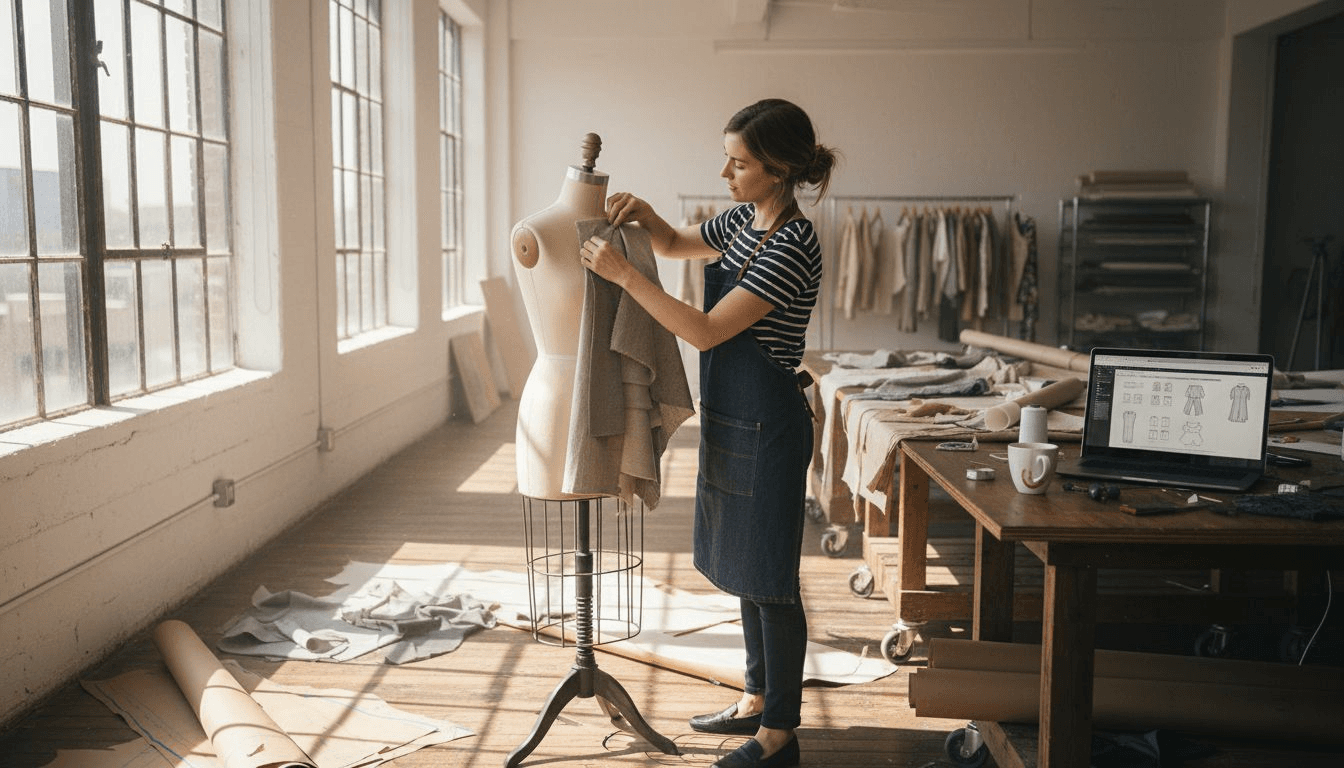
Skipping sampling increases production errors by up to 50%, leading to expensive reworks and delayed launches that derail brand momentum. Yet many fashion founders view sampling as optional or treat it as a simple fit check, missing its full potential to control quality, reduce costs, and scale confidently. This guide explains sampling types, their distinct benefits, common mistakes, and practical frameworks to help you build reliable production systems that protect your margins and reputation.
Table of Contents
- Introduction to Sampling in Fashion Production
- Types of Samples and Their Specific Roles
- How Sampling Impacts Quality Control and Scalability
- Common Misconceptions About Sampling in Fashion
- Best Practices and Frameworks for Integrating Sampling into Production Systems
- Case Studies: Risks of Poor Sampling vs Benefits of Structured Sampling
- Bridging Understanding to Practice: Scaling Your Fashion Brand with Sampling Confidence
- Scale Your Fashion Collection with Protek & Friends' Expert Sampling and Production
- Frequently Asked Questions About Sampling in Fashion
Key Takeaways
| Point | Details |
|---|---|
| Sampling prevents costly errors | Proper sampling reduces production defects and reworks, saving time and money. |
| Multiple sample types serve distinct purposes | Prototype, fit, and pre-production samples each validate critical aspects of design and manufacturing. |
| Skipping sampling raises risk significantly | Brands without structured sampling face 50% more errors, delays, and quality issues. |
| Fit sampling cuts returns by 35% | Validating sizing and comfort before bulk production dramatically improves customer satisfaction. |
| Structured processes enable scalability | Clear sampling workflows improve factory communication and support confident growth. |
Introduction to Sampling in Fashion Production
Sampling is the creation of test garments that validate design intent, fit, and production processes before committing to bulk manufacturing. Think of it as your insurance policy against preventable disasters. Every sample you produce reveals potential problems while they're still cheap to fix, rather than discovering them in a warehouse full of unsellable inventory.
Without proper sampling, brands face frequent production errors, inconsistent fit across sizes, excessive customer returns, shipment delays, and lasting damage to brand reputation. Skipping sampling increases production errors by 50%, leading to costly reworks that drain budgets and push launch dates into oblivion.
Sampling assesses multiple critical aspects:
- Design accuracy and aesthetic alignment with your vision
- Fabric performance, drape, and suitability for the intended garment
- Construction quality, seam integrity, and finishing details
- Fit consistency across your size range
- Production feasibility and factory capability
For fashion brands pursuing full-package clothing production, sampling becomes the communication bridge between creative vision and manufacturing reality. It's where theory meets fabric, and where most preventable mistakes get caught. Understanding the role of custom fabrics in fashion becomes tangible during sampling when you see how material choices affect drape, structure, and wearability.
Sampling isn't a luxury step for brands with extra budget. It's the cornerstone of scalable, reliable growth that separates professional operations from those constantly firefighting quality issues.
Types of Samples and Their Specific Roles
Fashion sampling isn't one-size-fits-all. Different sample types serve distinct purposes in your production timeline, each catching specific problems before they multiply.
Prototype Samples verify your initial design concept and material selections. These first samples reveal whether your technical sketches translate into wearable garments and whether your chosen fabrics behave as expected. Prototype samples often expose construction challenges, proportion issues, or fabric performance problems that require design adjustments. You're testing feasibility, not perfection.
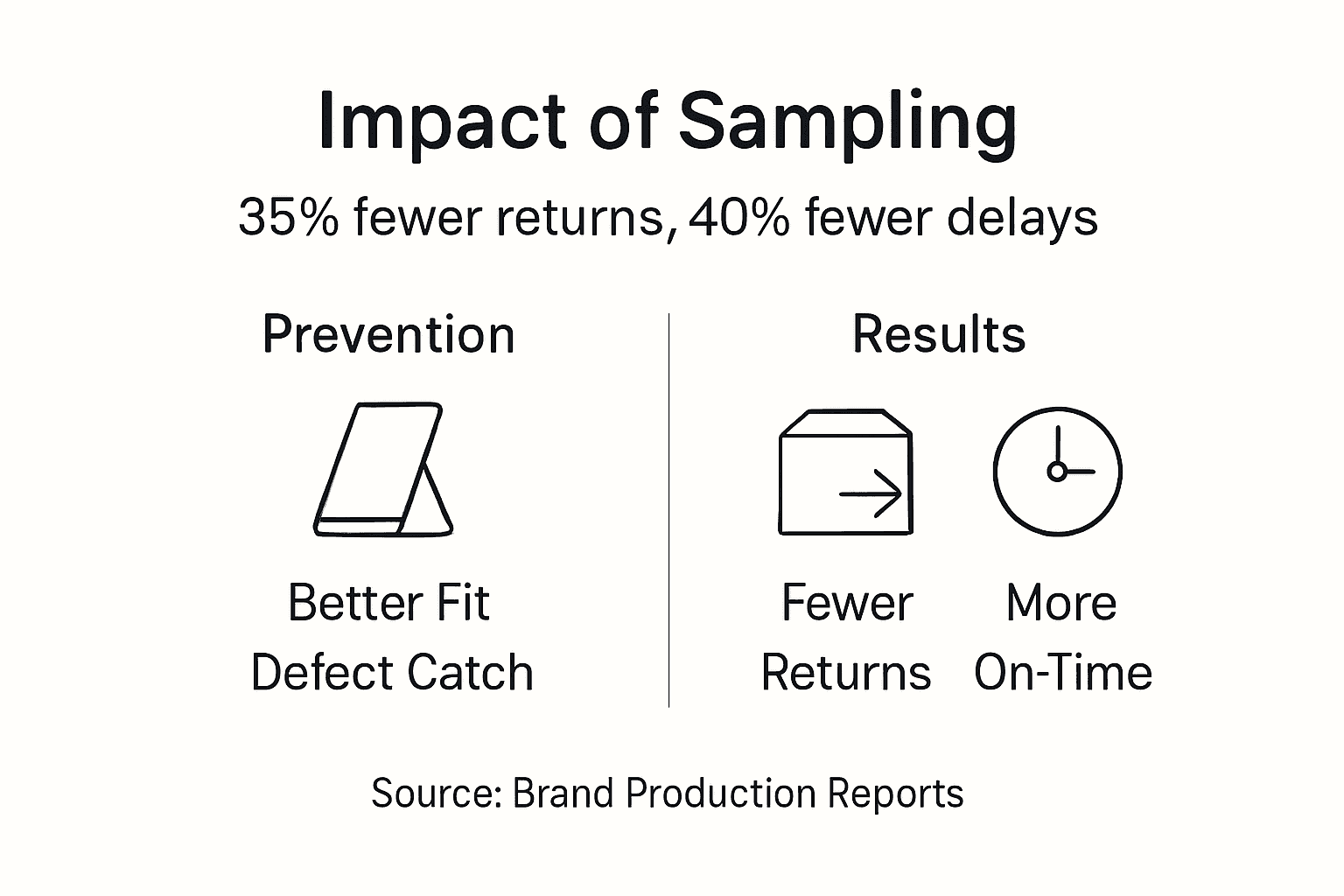
Fit Samples validate sizing accuracy, comfort, and how garments move on real bodies across your size range. Poor fit drives returns, damages reviews, and erodes customer trust. Brands that conduct fit samples experience 35% fewer product returns, making this stage one of your highest-ROI investments. Fit samples should be tested on fit models representing your target customer demographics, with detailed feedback captured on ease, mobility, and wearing experience.
Pre-Production Samples serve as your final quality checkpoint before bulk manufacturing begins. These samples confirm that all previous revisions were implemented correctly, production standards meet your requirements, and factories understand your specifications completely. Pre-production samples are your approval gate. Nothing moves to bulk until these pass inspection.
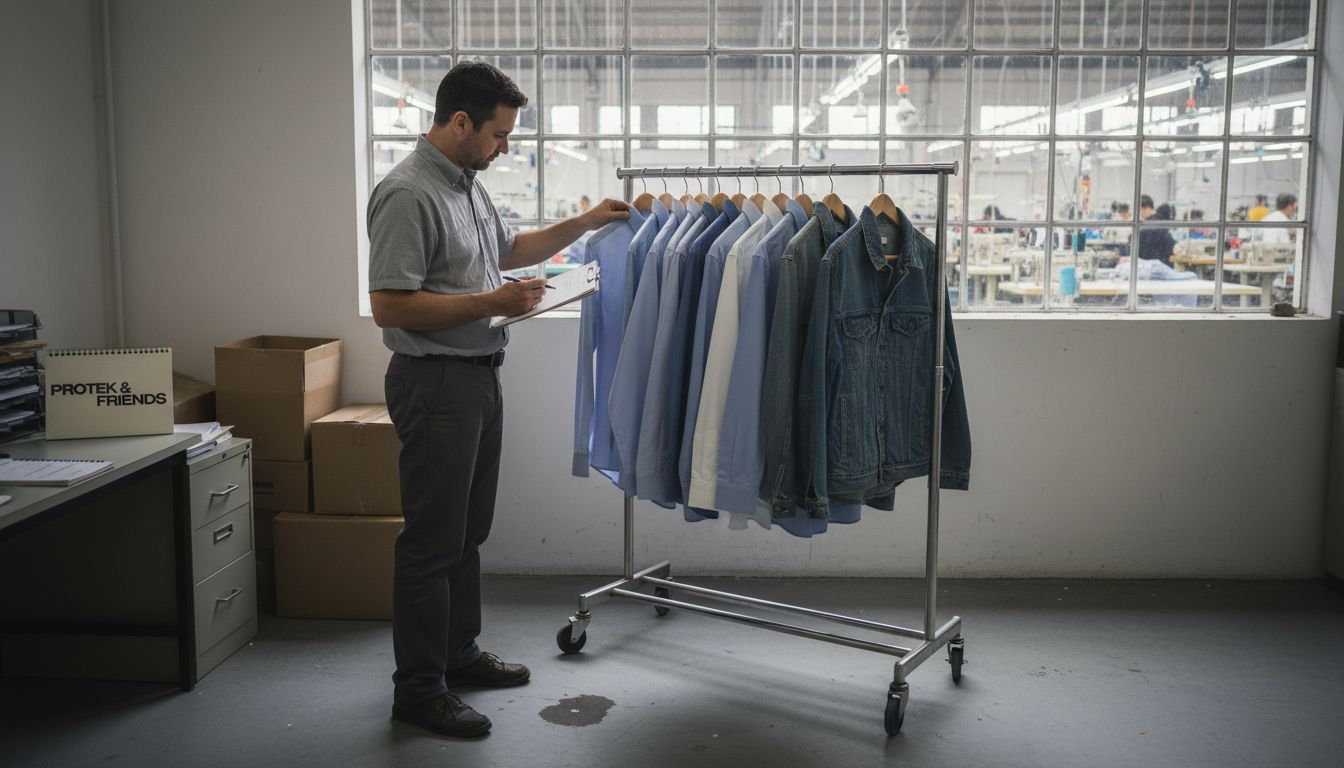
Here's how these types of fashion samples compare:
| Sample Type | Primary Purpose | Timing | Key Outcomes |
|---|---|---|---|
| Prototype | Design validation | Early development | Confirms feasibility, reveals construction issues |
| Fit | Sizing accuracy | After design approval | Reduces returns, improves comfort |
| Pre-Production | Final quality check | Before bulk order | Ensures production readiness, prevents surprises |
Using all three sample types creates a thorough quality control system that catches different problem categories at appropriate stages. Skipping any type leaves blind spots that become expensive surprises during or after production.
How Sampling Impacts Quality Control and Scalability
Structured sampling directly improves measurable business outcomes that matter to your bottom line.
Each sampling iteration creates a feedback loop between your brand and the factory. Problems identified during prototype sampling get corrected before fit samples. Fit adjustments get verified in pre-production samples. This iterative approach reduces defects exponentially compared to jumping straight to bulk production. You're building quality into the process, not inspecting it in afterward.
Fit sampling alone reduces product returns by 35%, translating directly to higher profitability and better customer lifetime value. Every return costs you shipping both ways, processing time, potential refunds, and often a lost customer. Preventing returns through proper fit validation pays for sampling many times over.
Sampling also dramatically improves communication transparency between brands and manufacturing partners. Samples create shared reference points. Instead of debating abstract concepts, you're both looking at the same physical garment, discussing specific, tangible issues. This clarity prevents misunderstandings that cause delays and quality problems.
"Comprehensive sampling transforms vague production hopes into concrete quality standards, reducing costly surprises and enabling brands to scale with confidence in their manufacturing systems."
Reliable sampling allows you to plan scalable production with realistic timelines. When you know your sampling process consistently catches issues early, you can commit to larger orders and tighter deadlines without the paralyzing fear of catastrophic quality failures. Your production becomes predictable, which is essential for growth.
Key Impact: Brands using structured sampling report 40% fewer production delays and significantly higher first-pass approval rates, enabling faster time-to-market and more efficient capital deployment.
Common Misconceptions About Sampling in Fashion
Several persistent myths about sampling cause brands to underinvest in this critical phase, leading to preventable disasters.
Misconception 1: Sampling is only about fit. Reality check: 80% of sampling errors involve fabric or construction issues overlooked if only fit samples are used. Fabric shrinkage, color bleeding, seam puckering, and finishing problems don't appear in fit-only testing. Comprehensive sampling catches these material and construction issues before they ruin entire production runs.
Misconception 2: Skipping sampling saves money and time. The opposite is true. Rushing to production without proper sampling creates expensive problems that cost far more to fix than sampling would have cost. Reworking defective inventory, managing customer complaints, and rebuilding damaged reputation drain resources exponentially compared to catching issues during sampling.
Misconception 3: One or two samples are enough. Partial sampling leaves critical gaps. Using all sample types reduces post-production issues by 30% compared to limited sampling approaches. Each sample type targets different risk categories, and skipping any creates blind spots.
Misconception 4: Sampling is only for complex designs. Even simple garments benefit from sampling. Fabric performance, production consistency, and fit validation matter regardless of design complexity. Basic t-shirts still need proper sampling to ensure quality at scale.
Misconception 5: Digital sampling replaces physical samples. While 3D rendering helps visualization, it cannot replicate fabric hand, drape, wearing comfort, or construction feasibility. Physical samples remain essential for quality validation.
Here are the major sampling misconceptions in fashion that brands must overcome:
- Believing fit testing alone ensures quality (ignores material and construction risks)
- Assuming sampling delays production (actually prevents far longer delays from quality failures)
- Thinking simple designs don't need sampling (all products need validation at scale)
- Expecting factories to catch all issues without samples (factories need clear standards)
- Using only one fit model (misses fit variations across your customer base)
Pro Tip: Invest in comprehensive sampling across all stages. The upfront cost is minimal compared to the expense of fixing problems in finished inventory or managing returns from dissatisfied customers. Early problem detection always costs less than late-stage corrections.
Best Practices and Frameworks for Integrating Sampling into Production Systems
Implementing structured sampling requires clear frameworks and disciplined execution, not just good intentions.
The sampling lifecycle follows a proven sequence: prototype samples validate design feasibility, fit samples confirm sizing and comfort, and pre-production samples verify production readiness. Each stage builds on feedback from the previous stage, creating progressive refinement.
Best Practices:
- Document everything. Create detailed spec sheets with measurements, construction notes, and material specifications before sampling begins.
- Establish communication protocols. Define response timeframes, feedback formats, and approval processes upfront.
- Integrate sampling timelines into production calendars. Account for multiple rounds and revision cycles.
- Use hybrid manufacturing models when appropriate, combining in-house development with factory-managed sampling for efficiency and control.
- Create feedback loops. After each sample, provide specific, actionable notes referencing photos and measurements.
Here's how to integrate sampling frameworks and best practices into your workflow:
- Define quality standards and measurement tolerances before requesting samples
- Request prototype samples early in development to validate design feasibility
- Conduct fit testing with models representing your size range
- Document all revisions with clear photos, notes, and updated specs
- Approve pre-production samples only after confirming all revisions were implemented
- Maintain sample archives for reference during future production runs
This data shows how best practices prevent common failures:
| Best Practice | Common Failure Point Addressed | Impact |
|---|---|---|
| Clear documentation | Misunderstood specifications | 60% fewer revision rounds |
| Multiple fit models | Size-specific fit issues | 35% fewer returns |
| Pre-production approval | Production inconsistency | 45% fewer defects |
| Feedback loops | Communication breakdowns | 50% faster approvals |
Proper clothing production services integrate these sampling best practices as standard operating procedure, not optional extras.
Pro Tip: Transparent documentation and structured feedback loops are your best defense against production surprises. When everyone works from the same detailed specifications and sample references, quality becomes predictable and scalable.
Case Studies: Risks of Poor Sampling vs Benefits of Structured Sampling
Real-world examples show the dramatic difference between treating sampling as optional versus essential.
Case Study: Skipped Sampling Disaster
A women's activewear brand rushed to production without proper sampling to meet a retail deadline. The result: fabric shrank 8% after washing (never tested in samples), seams puckered due to incorrect tension settings (not caught without pre-production samples), and fit ran small across all sizes (no fit sampling conducted). The brand faced returns on 40% of units, missed the retail window, and spent $180,000 fixing problems that $8,000 in proper sampling would have prevented.
Case Study: Structured Sampling Success
A sustainable denim brand implemented comprehensive sampling workflows with prototype, fit, and pre-production stages. During prototype sampling, they discovered their organic cotton denim required different wash temperatures. Fit sampling revealed necessary adjustments to rise measurements across sizes. Pre-production samples caught a supplier substitution attempt. Result: On-time delivery, zero defects at retail, 4.8-star customer reviews, and 12% lower return rates than category average.
Key contrasts between approaches:
- Poor sampling: 40% return rate, $180K in corrections, missed deadlines, damaged reputation
- Structured sampling: <5% returns, on-time delivery, premium reviews, controlled costs
- Poor sampling: Communication chaos, constant firefighting, unpredictable outcomes
- Structured sampling: Clear processes, early problem resolution, scalable systems
These case studies on sampling demonstrate that thorough sampling isn't about being cautious. It's about being smart with resources and building sustainable growth systems.
Investing in proper sampling protects your brand reputation, preserves customer relationships, and enables confident scaling. The brands that skip sampling to save pennies end up spending dollars fixing preventable disasters.
Bridging Understanding to Practice: Scaling Your Fashion Brand with Sampling Confidence
Understanding sampling principles means nothing without practical application to your production planning and partner relationships.
Integrate sampling timelines into overall production schedules by working backward from delivery deadlines. Account for multiple sample rounds, shipping delays, and revision cycles. Realistic planning prevents the temptation to skip steps when timelines get tight.
Balance thorough sampling with cost and time efficiency by batching similar styles together and maintaining clear specifications that reduce revision rounds. The goal isn't endless sampling but strategic sampling that catches problems without unnecessary iterations.
Select sampling partners by evaluating their communication standards, documentation practices, and quality control systems. The right partner treats sampling as collaborative problem-solving, not a transactional service. They should proactively flag potential issues and suggest solutions based on manufacturing expertise.
Practical steps for applying sampling knowledge to scale your fashion brand with sampling:
- Build sampling costs into product development budgets (typically 5-8% of production costs)
- Create standardized evaluation criteria for assessing samples consistently
- Maintain sample archives organized by season, style, and factory for reference
- Develop strong relationships with sampling partners who understand your standards
- Review sampling outcomes after each production run to identify process improvements
Pro Tip: Continuous iteration and feedback with your sampling partners improves quality and efficiency over time. The strongest brand-manufacturer relationships are built on transparent communication during sampling, where both parties learn each other's standards and working styles. This accumulated knowledge makes each subsequent production run smoother and more predictable.
Scaling successfully requires systems, not heroics. Structured sampling provides the foundation for confident growth.
Scale Your Fashion Collection with Protek & Friends' Expert Sampling and Production
Moving from understanding sampling principles to implementing them requires the right production partner.
Protek & Friends specializes in clothing production services that integrate structured sampling into every project. We don't treat sampling as an afterthought or optional add-on. It's built into our systems because we've seen too many brands suffer from skipped steps and rushed processes.
Our hybrid manufacturing model combines USA and overseas capabilities with clear documentation, transparent communication, and thorough quality control at every sampling stage. We manage prototype, fit, and pre-production samples as integrated phases, not isolated tasks. Compare Protek to other manufacturers and you'll see the difference systems make.
We help fashion brands implement the sampling guidance before bulk production that protects margins and enables confident scaling. Good production should feel boring: clear updates, early problem solving, zero surprises. That's what proper sampling delivers.
Frequently Asked Questions About Sampling in Fashion
What is the typical timeline for completing all sampling stages?
Expect 6-10 weeks for complete sampling from initial prototype through pre-production approval, depending on design complexity and revision rounds. Rush timelines compress quality checks and increase error risk. Plan sampling as early as possible in your development calendar.
How do I choose the right factories or partners for sampling?
Evaluate partners on communication clarity, documentation standards, and willingness to collaborate on problem-solving. Ask for sample timelines, revision policies, and references from current clients. The best partners treat sampling as quality investment, not cost burden.
Can sampling reduce overall production costs, and how?
Yes, dramatically. Catching errors during sampling prevents expensive reworks, reduces return rates by 35%, and eliminates rushed air freight to fix problems. Sampling costs typically represent 5-8% of production budgets but prevent cost overruns of 30-50%.
What documentation should accompany each sample?
Include detailed tech packs with measurements, construction specs, material callouts, and photos of previous samples showing approved details. After receiving samples, document findings with annotated photos, specific revision requests, and updated specifications for the next round.
How often should sampling processes be reviewed or updated?
Review sampling workflows after each production run to identify bottlenecks or recurring issues. Update processes seasonally as you learn what works with your manufacturing partners. The goal is continuous improvement, making each collection cycle smoother than the last. Check your how many samples are needed for your specific production scale regularly.