
Poor fabric quality drives up to 40% of product returns in fashion. For scaling brands, uncertainty in fabric sourcing causes delays, margin loss, and reputation damage. This guide explains fabric sourcing fundamentals and best practices to improve efficiency, protect margins, and establish control over your production quality and timelines.
Table of Contents
- Understanding Fabric Sourcing: Definition and Importance
- Structured Fabric Sourcing Processes to Improve Quality and Efficiency
- Criteria for Selecting Reliable Fabric Suppliers
- Common Misconceptions About Fabric Sourcing
- Comparing Domestic, Overseas, and Hybrid Fabric Sourcing Models
- Bringing Fabric Sourcing Best Practices Into Your Scaling Brand
- Scale Your Fashion Brand with Reliable Fabric Sourcing & Production
- Frequently Asked Questions About Fabric Sourcing
Key Takeaways
| Point | Details |
|---|---|
| Fabric sourcing is strategic | It directly affects product quality, costs, and delivery timelines for fashion brands. |
| Structured sourcing cuts defects | Rigorous sampling and clear communication reduce production errors by up to 35%. |
| Supplier evaluation is multi-factor | Balance quality, reliability, compliance, cost, and lead time when choosing partners. |
| Hybrid models optimize tradeoffs | Combining domestic and overseas sourcing balances cost efficiency with quality control. |
| Sourcing protects your brand | Reliable fabric sourcing prevents returns and preserves brand reputation at scale. |
Understanding Fabric Sourcing: Definition and Importance
Fabric sourcing is the process of selecting and purchasing fabrics that align with your design vision and quality standards. It involves identifying suppliers, requesting samples, approving materials, and managing orders to ensure fabrics arrive on time and meet specifications.
This process directly affects your final garment quality, production costs, and timeline reliability. When you source fabrics strategically, you control the foundation of your product. When you rush or cut corners, defects multiply and margins shrink.
Fabric sourcing influences final product quality and cost significantly, making it a core pillar of scalable production. Reliable fabric sourcing underpins brand reputation because customers judge your brand by what they wear, not by your marketing.
Key challenges include quality variability between suppliers, unreliable delivery timelines, and communication breakdowns, especially when working across borders. Scaling brands need structured processes to navigate these obstacles.
Critical fabric sourcing factors include:
- Material composition and performance characteristics
- Supplier reliability and production capacity
- Lead times and minimum order quantities
- Compliance with safety and sustainability standards
- Cost per yard and total landed cost
Understanding how fabrics are made helps you evaluate supplier capabilities and spot quality issues early. Partnering with experienced clothing production services in Los Angeles gives you access to vetted supplier networks and structured sourcing processes.
When you compare Protek to other manufacturers, you see how structured fabric sourcing reduces surprises and protects timelines. Working with a full-package clothing production partner integrates fabric sourcing with sampling, fit corrections, and quality control, creating a seamless production experience.
Structured Fabric Sourcing Processes to Improve Quality and Efficiency
A reliable fabric sourcing process follows five key steps that reduce risk and improve outcomes. These steps apply whether you source domestically, overseas, or through a hybrid model.
- Define your fabric specifications clearly, including fiber content, weight, finish, color standards, and performance requirements.
- Vet potential suppliers by reviewing their capabilities, certifications, production capacity, and client references.
- Request fabric samples and test them rigorously for quality, colorfastness, shrinkage, and hand feel before committing to bulk orders.
- Document all specifications, approvals, and changes in writing using tech packs and purchase orders to prevent miscommunication.
- Maintain transparent communication with suppliers through regular updates, proactive problem solving, and confirmed timelines.
Sampling is the most critical step. Rigorous fabric sampling reduces defects in finished products by around 35%, preventing costly production errors and customer returns. Skipping samples to save time or money backfires when bulk fabrics arrive with quality issues that halt production.
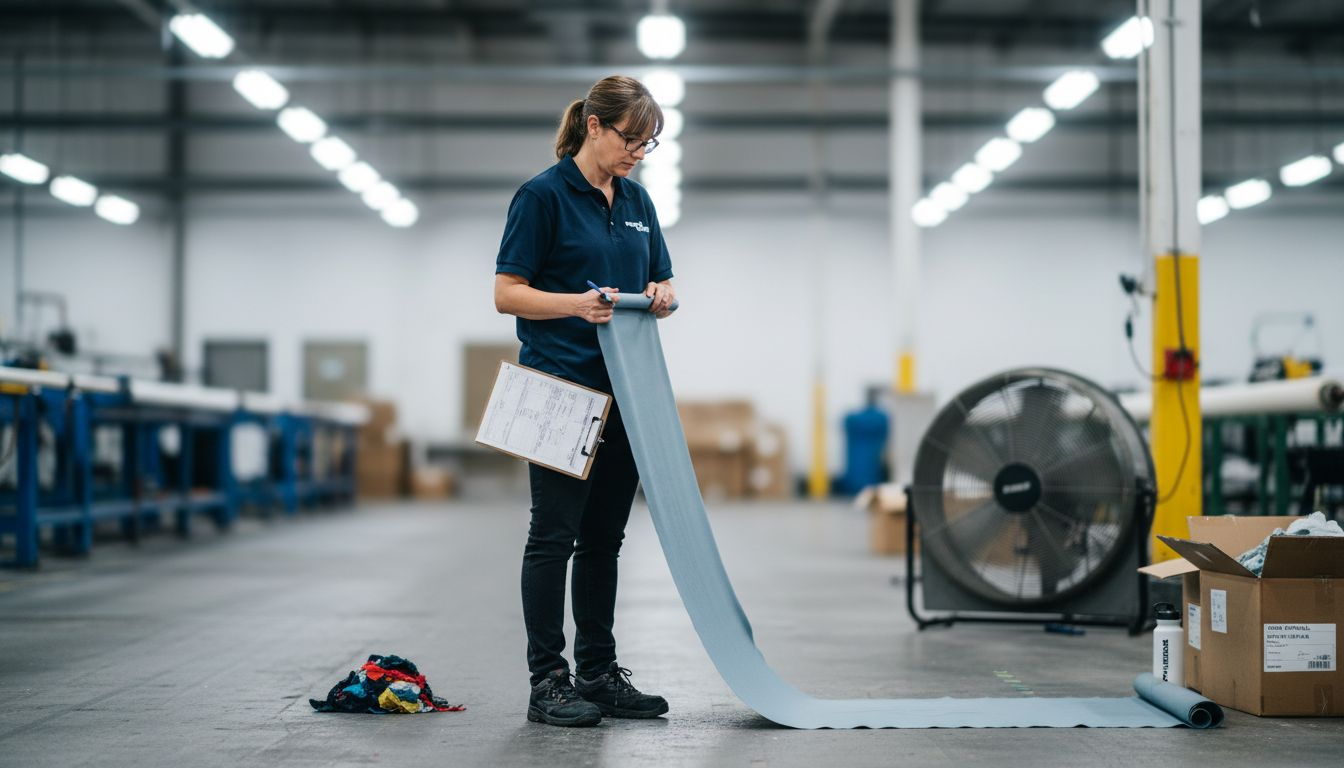
Clear documentation prevents miscommunication, especially when working offshore. A detailed tech pack with fabric swatches, color references, and performance specs ensures everyone works from the same playbook. When changes occur, document and confirm them immediately.
Transparent communication enables proactive issue resolution. Regular check-ins with suppliers surface potential delays or quality concerns before they derail timelines. Confirm delivery dates, track shipments, and inspect fabrics upon arrival.
Pro Tip: Always order 10% extra yardage beyond your calculated needs to account for fabric defects, shrinkage, and production errors. This buffer protects you from shortages that delay delivery.
Following fabric sampling best practices means testing multiple rounds when necessary and never rushing approvals. Partner with full-package clothing production services that enforce structured sourcing processes, reducing your stress and protecting your margins.
Criteria for Selecting Reliable Fabric Suppliers
Choosing dependable fabric suppliers requires evaluating multiple factors beyond price. The right supplier balances quality, reliability, compliance, and cost to support your brand as it scales.
Critical evaluation criteria include:
- Fabric quality consistency across orders and production runs
- Supplier reliability in meeting delivery timelines and order minimums
- Regulatory compliance with safety, labor, and environmental standards
- Cost effectiveness that protects margins without sacrificing quality
- Communication responsiveness and problem-solving capability
Supplier location affects lead time, communication ease, and quality control. Domestic suppliers offer faster turnaround and easier oversight but cost more per yard. Overseas suppliers reduce upfront costs but require longer lead times and more rigorous communication protocols.
Supplier communication issues cause delays in over 60% of sourcing attempts, making responsiveness a critical selection factor. A supplier who responds quickly and solves problems proactively is worth paying more for compared to one who goes silent when issues arise.
Supplier audits and vetting significantly reduce risk. Review certifications, visit facilities when possible, and request client references. Check production capacity to ensure they can scale with your brand without compromising quality or timelines.
Price should not be the sole factor. The cheapest fabric often comes with hidden costs: delays, defects, poor communication, and damage to your brand reputation. Prioritize long-term reliability over short-term savings.
Pro Tip: Start with small test orders before committing to large volumes with a new supplier. This trial run reveals quality consistency and communication reliability before you risk significant capital.
Evaluate suppliers using the supplier evaluation criteria that balance all factors. Working with a production partner who has vetted supplier networks saves you time and reduces risk.
Common Misconceptions About Fabric Sourcing
Several myths mislead brand owners about fabric sourcing complexity and strategic importance. Debunking these misconceptions helps you make smarter sourcing decisions.
Fabric sourcing is not just purchasing at the lowest price. Cheap fabrics often mean compromised quality, unreliable suppliers, or hidden costs that emerge during production. Strategic sourcing balances cost with quality, reliability, and timeline predictability.
Overseas suppliers are not always cheaper when you factor in quality issues, communication delays, shipping costs, and the risk of production errors. Sometimes domestic sourcing costs less overall because you avoid costly mistakes and timeline overruns.
Sampling is essential, not optional. Some brands skip sampling to save time or money, then pay far more when bulk fabrics arrive with defects that stop production. Sampling is insurance against expensive disasters.
Good communication with suppliers is critical to timely, quality delivery. Many brands assume suppliers will manage details independently, then face surprises when expectations misalign. Clear, documented communication prevents costly misunderstandings.
Fabric sourcing directly affects brand reputation via product returns. Customers judge your brand by garment quality, not by your sourcing challenges. Poor fabric choices lead to returns, negative reviews, and lost repeat business.
Key misconceptions to avoid:
- Believing price is the only factor that matters
- Assuming all suppliers operate with the same standards
- Skipping samples to accelerate timelines
- Relying on vague verbal agreements instead of documentation
- Ignoring the connection between fabric quality and customer satisfaction
Understanding these realities helps you approach fabric sourcing strategically, protecting your margins and brand reputation as you scale.
Comparing Domestic, Overseas, and Hybrid Fabric Sourcing Models
Choosing the right sourcing model depends on your brand priorities: speed, cost, quality control, and flexibility. Each model offers distinct tradeoffs.
| Sourcing Model | Cost | Quality Control | Lead Time | Communication | Best For |
|---|---|---|---|---|---|
| Domestic | Higher per yard cost | Easier oversight, faster fixes | 2 to 6 weeks | Simplified by time zones and language | Brands prioritizing speed and quality control |
| Overseas | Lower per yard cost | Harder to monitor, slower issue resolution | 8 to 16 weeks | Time zones and language barriers complicate coordination | Brands prioritizing cost savings on large volumes |
| Hybrid | Balanced cost | Flexible quality control options | 4 to 10 weeks | Mix of easy and complex depending on components | Brands balancing cost efficiency with quality and flexibility |
Domestic sourcing offers higher quality control and faster turnaround at higher cost. You can visit suppliers easily, resolve issues quickly, and adjust orders with shorter notice. This model works best when speed to market and quality consistency matter most.
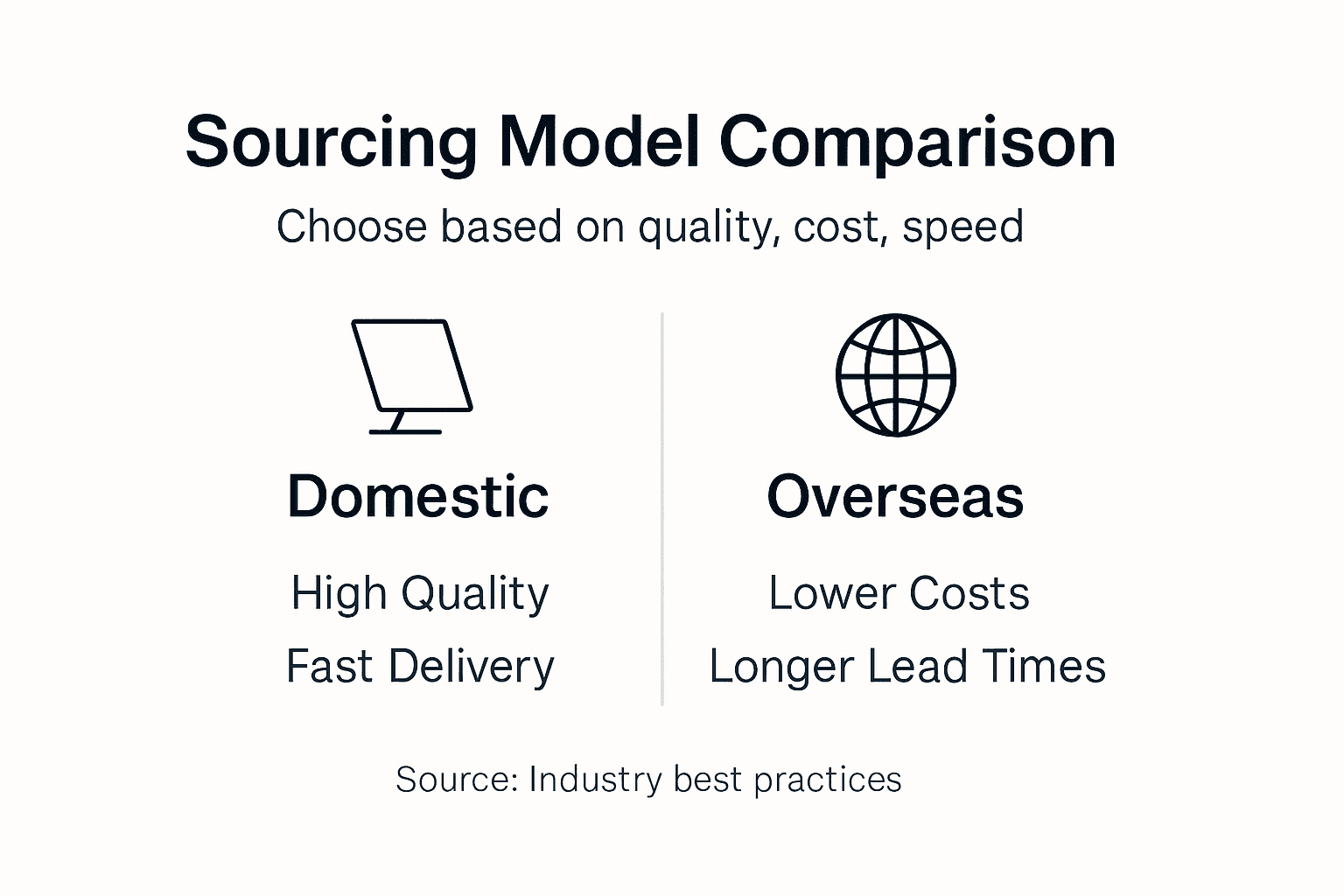
Overseas sourcing reduces costs but increases lead time and risk. Longer shipping times, communication delays, and quality monitoring challenges require more rigorous processes. This model works best for established brands with predictable demand and strong supplier relationships.
Hybrid models balance cost-quality tradeoffs and improve flexibility. You might source basic fabrics overseas while sourcing specialty materials domestically. This approach optimizes costs without sacrificing control over critical quality factors.
Choosing the right model depends on:
- Your production timeline and flexibility needs
- Budget constraints and margin targets
- Quality control and brand positioning priorities
- Order volumes and demand predictability
- Internal capacity to manage supplier relationships
Many scaling brands benefit from hybrid models that adapt to changing needs. You can test overseas suppliers on smaller orders while maintaining domestic backup options for rush production or specialty materials.
Bringing Fabric Sourcing Best Practices Into Your Scaling Brand
Applying fabric sourcing strategies requires integrating documentation, communication, and supplier management into your production workflow. These practices protect margins and improve efficiency as you scale.
Integrate fabric sourcing tightly with production schedules and quality control. Confirm fabric delivery dates before finalizing production timelines. Inspect fabrics immediately upon arrival to catch defects before cutting begins. Build buffer time into schedules to absorb minor delays without missing customer delivery dates.
Use transparency in communication and thorough documentation to prevent errors. Maintain shared documents tracking fabric specs, sample approvals, order confirmations, and shipment details. Confirm all changes in writing and require supplier acknowledgment before proceeding.
Regularly review supplier reliability metrics to avoid delays. Track on-time delivery rates, defect percentages, and communication responsiveness. Address declining performance immediately or switch suppliers before problems escalate.
Adopt a proactive approach to sampling and approvals to protect margins. Never skip sampling steps, even under time pressure. Test fabrics for all critical performance characteristics before bulk orders. Approve samples in writing with clear specifications to prevent disputes later.
Best practices to implement:
- Create standardized tech packs for all fabric orders
- Maintain a vetted supplier database with performance notes
- Schedule regular supplier check-ins throughout the sourcing cycle
- Build fabric lead times into production calendars with buffers
- Inspect all fabric deliveries before releasing payment
Working with a full-package clothing manufacturer that enforces these practices removes the burden of managing every detail yourself. You gain access to vetted suppliers, structured processes, and experienced oversight that prevents costly mistakes.
Scale Your Fashion Brand with Reliable Fabric Sourcing & Production
Scaling your fashion brand requires more than good designs. You need reliable fabric sourcing and structured production processes that protect margins and preserve brand reputation.
Protek & Friends specializes in full-package clothing production that combines expert fabric sourcing with scalable manufacturing. We vet suppliers rigorously, enforce sampling protocols, and maintain transparent communication throughout the production cycle. Our hybrid model blends domestic and overseas capabilities, optimizing cost-quality tradeoffs for brands ready to scale with confidence.
We partner with serious brand owners who value documentation over promises and understand that good production should feel boring: clear updates, early problem solving, and zero surprises. Explore our clothing production services in Los Angeles or compare Protek with other manufacturers to see how structured sourcing and production eliminate uncertainty and protect your margins.
Frequently Asked Questions About Fabric Sourcing
What exactly does fabric sourcing include?
Fabric sourcing includes selecting, sampling, approving, and purchasing fabrics from suppliers to meet your design and quality needs. It involves communication, documentation, and quality control steps that ensure fabrics arrive on time and match specifications.
How important is fabric sampling in sourcing?
Sampling reduces defects by about 35% and is crucial to verify fabric quality before bulk purchase. Skipping sampling risks costly production errors, delays, and customer returns that damage your brand reputation and margins.
What are the pros and cons of domestic versus overseas fabric sourcing?
Domestic sourcing offers faster turnaround and better quality control at higher cost per yard. Overseas sourcing lowers upfront cost but increases lead times and communication risks, requiring more rigorous processes and longer planning horizons.
How can I improve communication with fabric suppliers?
Maintain clear, documented communication channels and regular updates throughout the sourcing process. Use standardized tech packs, confirm all changes promptly in writing, and schedule proactive check-ins to surface issues before they cause delays.