Linen's reputation for luxury and sustainability attracts fashion brands, but its production demands precision that catches many founders off guard. Unlike cotton or polyester, linen fibers require specialized processing at every stage, from retting to finishing. Scaling linen clothing without structured quality control leads to inconsistent shrinkage, pilling complaints, and margin erosion. This guide walks you through the technical realities of linen production and shows you how to implement systems that protect quality as you grow.
Table of Contents
- Key Takeaways
- Understanding the linen production process
- Implementing quality control for scalable linen production
- Navigating linen's unique characteristics and challenges
- Practical tips for scaling linen clothing production efficiently
- Discover expert linen clothing production services
- Frequently asked questions
Key Takeaways
| Point | Details |
|---|---|
| Stage specific processing | Linen requires processing at every stage from retting to finishing, making rigorous stage by stage control essential. |
| Three inspection gates | Quality control uses three inspection gates pre production fabric review, in line garment checks, and pre shipment audits with AQL 2.5 to keep defect rates under 2.5 percent. |
| Shrinkage testing essential | Expect 5 to 7 percent dimensional change after the first wash and up to 10 to 15 percent for untreated fabrics, test swatches through three hot wash and dry cycles and adjust pattern grading accordingly. |
| Masters of Linen certification | Request fabric certifications to confirm European flax and traceable processing, protecting your brand from substandard substitutes. |
| Size grading and ease | Account for linen minimal stretch by adding 2 to 4 inches of ease to bust, waist, and hips depending on style, and document these specifications in the quality control process. |
Understanding the linen production process
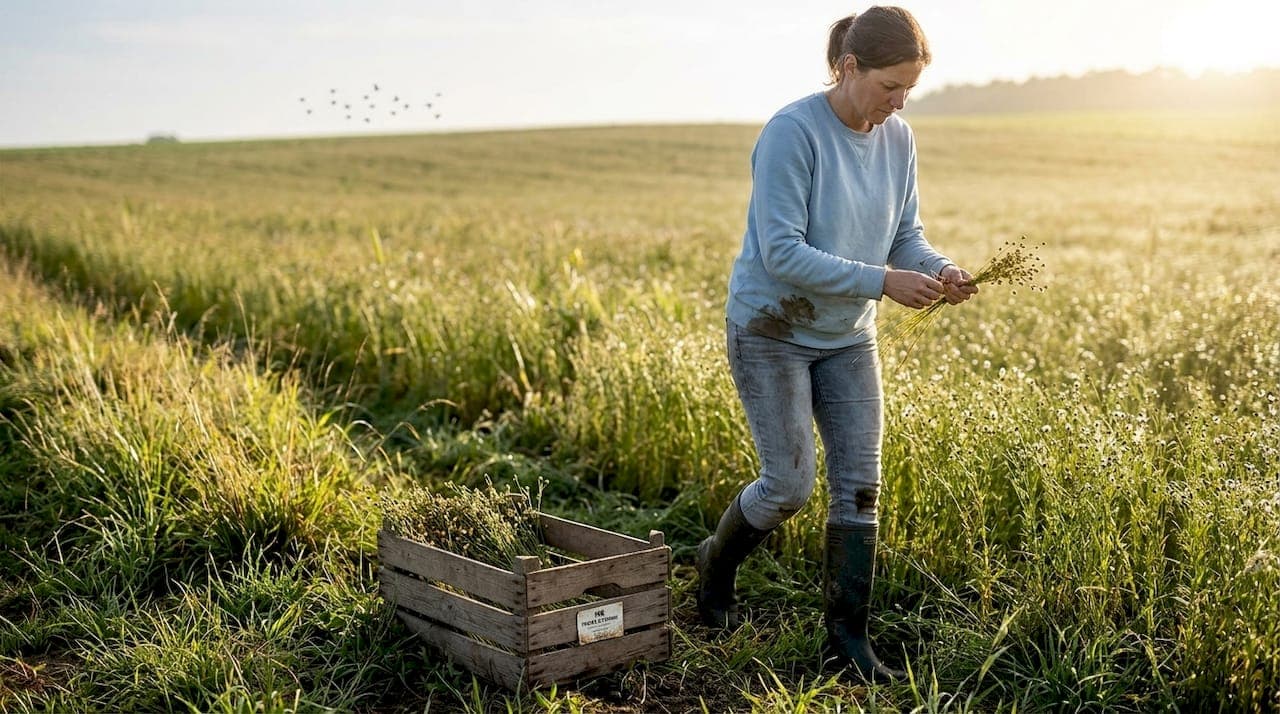
Linen starts as flax, a crop that thrives in cool, moist climates like Belgium, France, and the Netherlands. Harvesting happens when flax stems turn golden, signaling peak fiber strength. After pulling the entire plant from the ground, producers separate fibers through retting methods that break down pectin binding the fibers to the woody core. Dew retting spreads flax in fields for microbial decomposition, while water retting submerges bundles in tanks for faster processing. Enzyme retting uses controlled bacterial cultures to speed fiber separation without weather dependency.
Once retted and dried, flax undergoes scutching and hackling to remove woody bits and align long fibers. Linen's low elasticity demands wet-spinning techniques where hot water softens fibers during yarn formation. Dry-spinning would snap brittle flax strands, creating weak spots that compromise fabric integrity. This moisture requirement adds complexity but produces the smooth, strong yarn that defines quality linen.
Weaving typically employs plain or twill patterns, with thread count ranging from 80 to 150 per square inch depending on garment weight. Plain weave creates crisp, breathable fabric ideal for summer clothing, while twill adds subtle texture and drape. After weaving, finishing transforms raw linen into production-ready material through bleaching, calendering, and sanforizing. Bleaching removes natural color for white or dyed fabrics, calendering smooths surface fibers for sheen, and sanforizing pre-shrinks material to stabilize dimensions. Understanding these production terms helps you communicate precisely with manufacturers.
Pro Tip: Request fabric certifications before approving any linen order. Masters of Linen certification guarantees European flax and traceable processing, protecting your brand from substandard substitutes.
Implementing quality control for scalable linen production
Quality control for linen demands three inspection gates: pre-production fabric review, in-line garment checks, and pre-shipment audits. Pre-production inspections catch fabric defects like slubs, color variations, or weave irregularities before cutting begins. Rejecting flawed material at this stage saves the cost of labor and trims wasted on unusable garments. In-line checks during sewing verify seam strength, stitch density, and pattern alignment while corrections remain inexpensive. Pre-shipment audits use AQL 2.5 standards to sample finished goods, accepting batches only when defect rates stay below 2.5%.
Linen's notorious shrinkage requires dedicated testing protocols. Expect 5-7% dimensional change after the first wash, with some untreated fabrics hitting 10-15%. Test swatches through three hot wash and dry cycles, measuring length and width changes after each. Build these percentages into pattern grading so finished garments maintain intended fit post-wash. Skipping shrinkage testing creates customer returns and damages brand reputation faster than any other production mistake.
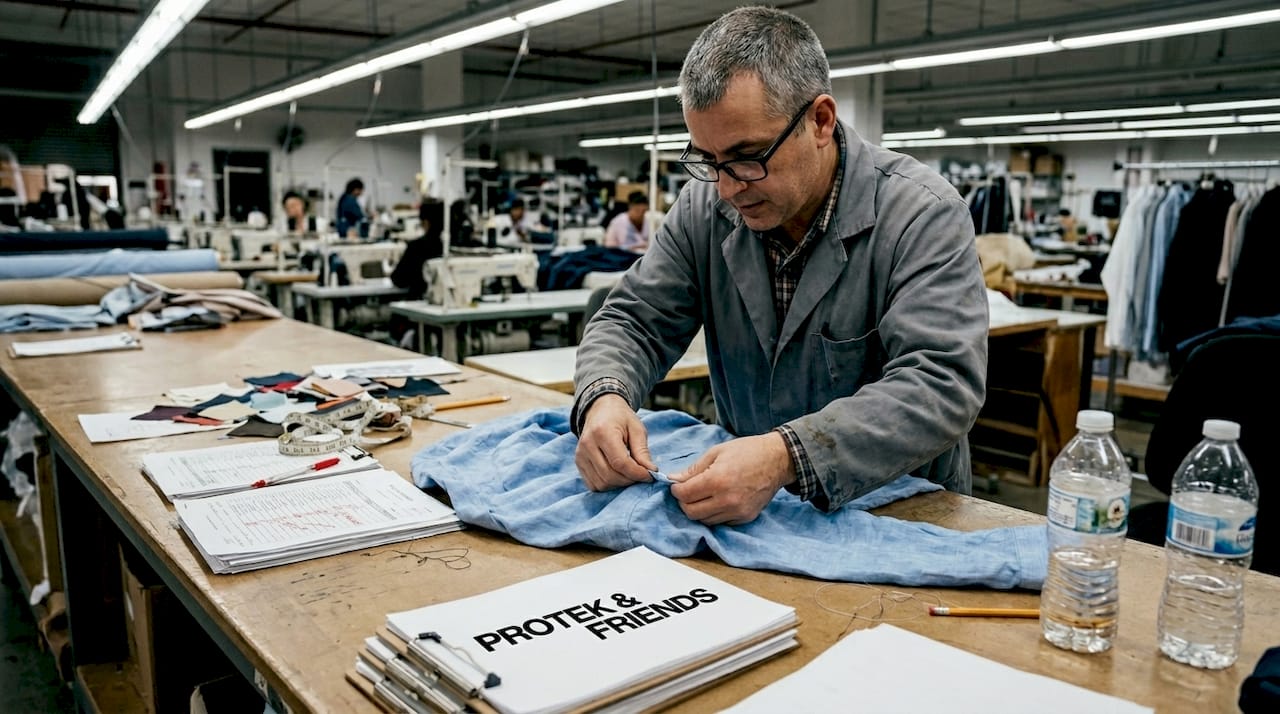
Size grading must account for linen's minimal stretch compared to cotton jersey or synthetic blends. A size medium that fits snugly will not give with body movement, causing discomfort and negative reviews. Add ease allowances of 2-4 inches in bust, waist, and hip measurements depending on garment style. Structured quality control methods document these specifications in tech packs, ensuring every factory interprets fit consistently across production runs.
Pro Tip: Implement a defect tracking system that categorizes issues by production stage. This data reveals whether problems stem from fabric sourcing, cutting, sewing, or finishing, allowing targeted process improvements.
"Stage-gated quality control transforms production from reactive firefighting to proactive problem prevention, cutting defect rates by 40-60% within two production cycles."
Multi-stage inspections also verify seam strength through pull tests, checking that stitches withstand 15-20 pounds of force without breaking or puckering. Linen's stiff fibers can cause needle deflection during sewing, creating skipped stitches that weaken seams. Catching these defects in-line allows immediate machine adjustments before hundreds of units carry the same flaw. Scaling quality control requires this systematic approach rather than hoping factories "just get it right."
Navigating linen's unique characteristics and challenges
Linen's fibril strength measures 5.5-6.5 grams per denier, roughly double cotton's 3.0-4.0 range. This superior tensile strength means linen garments resist tearing and last longer under stress. Abrasion resistance reaches 18,000-25,000 Martindale cycles compared to cotton's 10,000-15,000, explaining why vintage linen pieces survive decades of use. However, this durability comes with tradeoffs that affect production decisions and customer expectations.
| Property | Linen | Cotton | Implication for Production |
|---|---|---|---|
| Tensile strength | 5.5-6.5 g/denier | 3.0-4.0 g/denier | Requires sharper needles, tighter tension |
| Abrasion resistance | 18,000-25,000 cycles | 10,000-15,000 cycles | Longer garment lifespan, premium positioning |
| Wrinkle recovery | Poor (15-20%) | Moderate (40-50%) | Market as intentional aesthetic |
| Moisture absorption | 20% of weight | 8-10% of weight | Faster drying, better breathability |
| Elasticity | 2-3% stretch | 7-10% stretch | Requires generous fit allowances |
Wrinkling defines linen's aesthetic but confuses brands positioning it as polished or professional. Linen wrinkles more because its fibers lack the molecular structure that allows cotton to spring back after compression. Rather than fighting this characteristic, successful brands market the relaxed, lived-in look as intentional charm. Customers who understand this expectation upfront become advocates rather than complainers.
Initial coarseness surprises first-time linen buyers, but the fabric softens beautifully after 3-5 washes as fibers break in without breaking down. Communicate this transformation in product descriptions to set accurate expectations. Some brands pre-wash garments before shipping, adding cost but delivering immediate softness that reduces return rates.
Pilling presents another challenge, particularly in areas of friction like underarms and inner thighs. Untreated linen scores 1.5-2.0 on pilling grades, while enzyme-finished fabric improves to 1.0-1.5. BEIZYM UL and similar cellulase enzymes gently abrade surface fibers, removing loose ends that would otherwise ball up during wear. Hemp-linen blends further reduce pilling while adding strength, creating a more durable product that scales customer satisfaction alongside production volume.
These characteristics require clear communication in product listings, care labels, and customer service protocols. Brands that educate buyers about linen's unique behavior build loyalty, while those that ignore these traits face mounting returns. Managing production challenges includes anticipating customer questions and providing answers before problems arise.
Practical tips for scaling linen clothing production efficiently
Vetting factories for linen expertise separates smooth production from costly mistakes. Request samples of previous linen work, examining seam quality, fabric hand, and finishing consistency. A factory skilled in cotton jersey may lack the specialized knowledge linen demands, from proper needle selection to tension adjustments. Review their quality control documentation, checking for shrinkage testing protocols and defect tracking systems. Factories that cannot produce this paperwork lack the structure needed for reliable scaling.
Batch production runs of 20-50 units optimize quality control without overwhelming inspection capacity. Smaller batches allow thorough checks of every garment, catching systemic issues before they multiply across hundreds of pieces. As your team gains confidence in a factory's consistency, gradually increase batch sizes to 100-200 units while maintaining inspection rigor. This staged approach balances efficiency with risk management.
Implementing Lean Six Sigma's DMAIC framework drives continuous improvement in linen production:
- Define specific quality targets like maximum shrinkage percentages and acceptable pilling grades
- Measure current defect rates through systematic sampling and documentation
- Analyze root causes by tracking where and why defects occur in the production chain
- Improve processes through targeted interventions like equipment upgrades or training
- Control gains by standardizing successful methods and monitoring ongoing performance
This data-driven approach reduces defects by 30-50% within three production cycles, protecting margins as volume increases.
Adjusting MOQs to 50-100 units provides flexibility that rigid 500-piece minimums cannot match. Scaling brands benefit from testing new styles in smaller quantities, gathering customer feedback, and refining designs before committing to larger runs. Factories with adjustable MOQs signal willingness to grow alongside your brand rather than forcing premature scale.
Pro Tip: Negotiate payment terms that tie final installments to passing pre-shipment inspections. This structure aligns factory incentives with your quality standards, reducing the temptation to rush finishing.
| Scaling Strategy | Implementation | Quality Impact |
|---|---|---|
| Factory vetting | Review linen samples, QC docs, certifications | Prevents capability mismatches |
| Batch production | Start 20-50 units, scale gradually | Catches defects early |
| Lean Six Sigma | DMAIC framework for defect reduction | 30-50% defect decrease |
| Flexible MOQs | Negotiate 50-100 unit minimums | Enables style testing |
| Blended fabrics | Mix linen with hemp or cotton | Improves durability, reduces pilling |
| Certifications | Require GOTS, OEKO-TEX, Masters of Linen | Adds market credibility |
Blending linen with hemp or cotton can facilitate scaling by improving sewability and reducing fabric cost. A 70% linen, 30% cotton blend maintains linen's breathability and texture while adding stretch and wrinkle resistance. Hemp blends boost durability and antimicrobial properties, appealing to sustainability-focused customers. Test blends thoroughly to ensure they deliver the aesthetic and performance your brand promises.
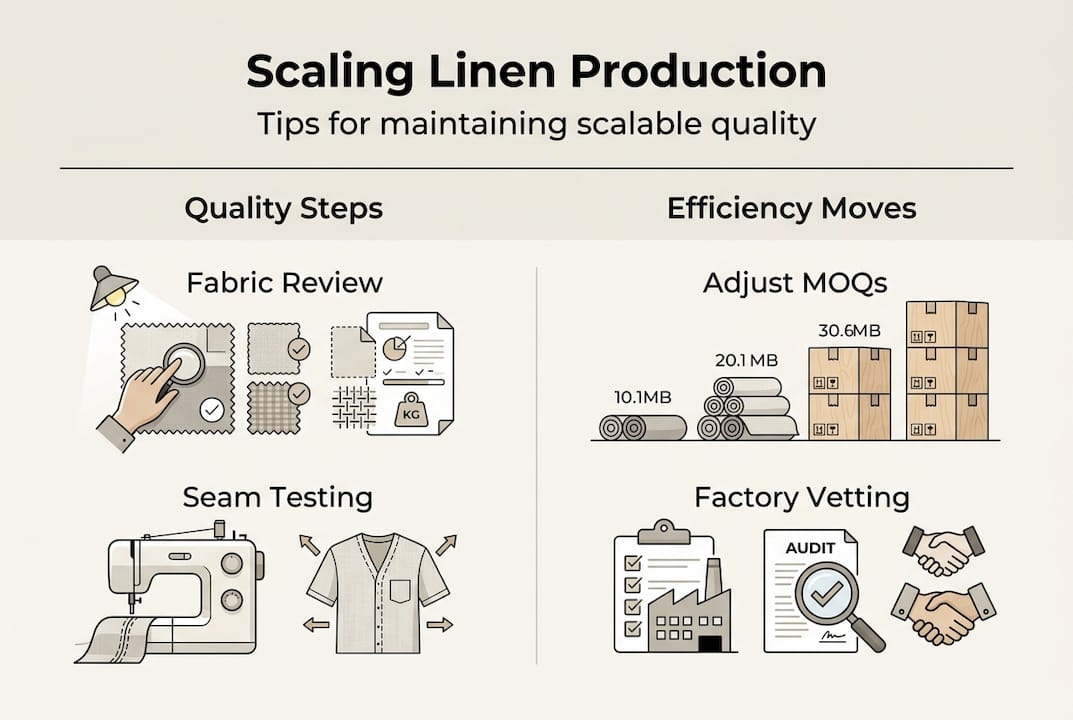
Certifications like GOTS and OEKO-TEX add market value by verifying chemical safety and environmental responsibility. These third-party validations build customer trust and justify premium pricing. Factory guides emphasize certification importance because it signals commitment to standards beyond basic manufacturing competence. Brands scaling into wholesale or retail partnerships find certifications often required by buyers.
Structured apparel workflows document every decision from fabric selection through final inspection, creating repeatable processes that maintain quality across multiple factories or production seasons. This documentation becomes your operational playbook, enabling team members to execute consistently without constant oversight. Production sampling strategies should include fit samples, pre-production samples, and size set samples to catch issues before bulk cutting begins.
Discover expert linen clothing production services
Scaling linen production requires partners who understand the fabric's demands and your brand's growth trajectory. Many fashion founders waste months and thousands of dollars with factories that promise linen expertise but deliver inconsistent results. The difference between a production partner and a factory order-taker becomes painfully clear when shrinkage ruins an entire batch or seams fail quality checks.
Protek & Friends specializes in clothing production services that eliminate these risks through structured processes and transparent communication. Our team manages linen projects from fabric sourcing through final inspection, implementing the quality control systems outlined in this guide. We work with scaling brands to establish sample requirements that catch problems early, protecting your margins and timeline. Whether you need 50 units or 500, our flexible approach adapts to your current stage while building systems that support future growth.
Frequently asked questions
How long does the linen production process take?
A complete linen production cycle from flax harvesting to finished fabric typically spans 12-16 weeks. Retting alone requires 2-4 weeks depending on method, while spinning, weaving, and finishing add another 8-12 weeks. Garment production adds 4-8 weeks for sampling, revisions, and bulk manufacturing. Plan 20-24 weeks total from fabric order to receiving finished goods.
What steps reduce pilling in linen garments?
Enzyme finishing with BEIZYM UL or similar cellulase treatments reduces pilling by gently removing loose surface fibers before garments reach customers. Blending linen with 20-30% hemp or cotton adds fiber cohesion that resists pilling. Proper sewing tension prevents fiber breakage during production, eliminating a major pilling source. Pre-washing finished garments removes loose fibers that would otherwise pill during customer use.
Can linen clothing production be scaled without sacrificing quality?
Yes, stage-gated inspections at fabric receipt, in-line sewing, and pre-shipment audits maintain quality as volume increases. Certified factories with documented QC processes provide the structure needed for consistent output. Lean Six Sigma methods identify and eliminate defect sources systematically. Batch production of 20-50 units allows thorough quality checks before scaling to larger runs. Quality control systems designed for scaling prevent the chaos that typically accompanies growth.
What certifications should I look for in linen fabric suppliers?
Masters of Linen certification guarantees European flax and traceable processing, ensuring premium fiber quality. GOTS certification verifies organic production and chemical safety throughout the supply chain. OEKO-TEX Standard 100 confirms fabrics are free from harmful substances, important for skin-contact garments. These certifications add credibility that justifies premium pricing and builds customer trust in your brand's quality standards.